

Show Notes:
In this episode, we break down what it actually means to have a complicated ACL/knee case, from multi-ligament involvement and cartilage damage to post-op complications like cyclops lesions, scar tissue, and quad shutdown/AMI that never resolves. We get honest about why surgeons default to “keep working on it,” why patients stay too long with providers who are not helping them, and exactly when it is time to go get another opinion, or a third, or a fourth. If you are months out and still not getting answers, or you have a complex case that nobody seems to know how to handle, this episode is going to give you a framework and the permission to take control of your own rehab.
What is up team? Welcome back to another episode of the ACL Athlete Podcast. I’m joining you today with a voice that is not quite at 100 percent. If you’ve been following along, our family has been battling sickness on and off since our toddler started preschool, and it has been a chain reaction of getting sick again and again. I lost my voice for a bit and have only partially gotten it back, so bear with me. But another podcast episode is due this week, and I’m not skipping it. We’ve been doing this for 265 straight weeks, and today marks episode 266. With that milestone in mind, let’s jump into today’s topic.
Today’s episode builds off episode 208, where I discussed getting a second opinion for ACL surgery. In this conversation, I want to go deeper into that idea. Specifically, I want to focus on complex ACL cases, what they look like, and what you should do when things become messy or fall into a gray area, rather than being clearly black and white. Not every ACL situation is straightforward, and that’s where decision-making becomes much harder. When complexity enters the picture, the path forward often requires more careful thought and more perspectives.
Let’s start by defining what “complicated” actually means in the context of ACL injuries. That word can cover a wide range of situations depending on the timing of the injury, the nature of the damage, or what has happened in the weeks, months, or even years following surgery. On one end of the spectrum, you might be dealing with an isolated ACL tear. On the other end, you could have an ACL combined with a meniscus injury, a PCL issue, or an LET procedure. In some cases, there is multi-ligament involvement or cartilage damage, such as an OCD lesion. These problems may occur all at once or develop in stages over time.
There are also other knee structures that can be involved, including the LCL, PCL, or the posterolateral corner. The complexity grows when multiple structures in the knee are affected simultaneously. Then you add the reality that graft tissue might need to be harvested for reconstruction. This might be someone’s first ACL injury, or it could be their third or fourth. It may sound surprising, but we have worked with many athletes who have experienced three ACL tears and even a handful who have had four. These cases are rare but absolutely real.
People who pursue high-level sports or demanding physical activities sometimes push forward regardless of what their bodies have already endured. At this point in my career, very few knee-related scenarios truly surprise me anymore. I will say that Lindsey Vonn’s injury during the Winter Olympics was one of the most extreme examples I’ve seen. Her bone essentially shattered and had to be reconstructed piece by piece, which is a level of trauma far beyond what most athletes experience. Most ACL athletes are not Lindsey Vonn, but injuries can still be complex and layered. The human body is capable of producing a wide range of scenarios.
Another important factor is timing and context. Injuries can happen all at once during a single event, or they may accumulate across multiple events over time. The athlete’s goals also play a major role in how the situation unfolds. Some people are determined to return to professional sports or a competitive career. Others simply want to remain active, healthy, and mobile in daily life. These motivations influence the level of risk someone is willing to take and the strategies they pursue during recovery.
Beyond the injury itself, a person’s history adds additional layers to the situation. Some athletes come into ACL surgery with previous issues such as patellar tendinopathy or Osgood-Schlatter disease. Others may have patellofemoral pain or structural changes that developed during adolescence. There may also be age-related changes, such as osteoarthritis, if the injury occurs later in life. As we age, cartilage and connective tissues do not hold up as well as they once did. All of these factors shape how the knee responds to injury and recovery.
Previous meniscus injuries can also complicate the process. Each piece of medical history contributes to the overall complexity of the case. Then we add the surgical layer to the equation. Decisions about graft type, additional procedures, and structural repairs introduce new variables. Sometimes complications appear after surgery that were not expected. A meniscus repair might fail because a stitch did not hold properly or came undone.
Post-surgical complications can take many forms. Some people develop deep vein thrombosis or infections. Others experience tunnel widening, scar tissue formation, or cyclops lesions. Hardware rejection and nerve-related symptoms are also possible. There can be stiffness that never resolves or sharp pain that persists long after surgery. These issues might appear days after the procedure or months later.
Cyclops lesions are a good example of how unpredictable this process can be. They sometimes appear early after surgery, but they may not reveal themselves until months later. In other cases, they seem to develop out of nowhere around months eleven or twelve. There is no reliable way to predict exactly when or why they will occur. That uncertainty is part of working with the human body. Surgery, biology, and rehabilitation all interact in ways that can produce unexpected outcomes.
Ultimately, surgical intervention is an attempt to restore the function of the ACL and any other damaged structures. We are working with natural biological healing while simultaneously introducing surgical techniques and materials into the body. Those interventions aim to guide healing in a specific direction, but the body still responds in its own unique way. Biology does not always follow a perfectly predictable script.
The early post-operative period presents its own challenges. During those first weeks and months, it is normal to experience pain, swelling, and a limited range of motion. The common guidance during this stage is simply to give the body time to heal. That advice is often appropriate because early symptoms are expected. However, the difficulty lies in determining when normal healing ends and a genuine problem begins.
There is a window where patience is necessary, but that window has an expiration date. At some point, continuing to “just work on it” is no longer the right approach. When months pass and symptoms do not improve, the conversation must change. This situation is more common than many people realize. That is why I want to break it down today for those of you listening.
I am not telling you to run to your physical therapist or surgeon and immediately seek ten different opinions. The first step is to conduct an honest audit of your situation. That means evaluating whether you have the right medical team supporting you and whether your rehabilitation process is truly being executed well. The goal is to ensure that your foundation is solid before assuming something deeper is wrong.
From there, we can begin examining the types of cases that raise red flags. For example, we have seen athletes who were progressing well for months and then suddenly began regressing with pain and loss of knee extension. Others experience sharp pain after surgery that fluctuates but never fully disappears, even after ten months. Some report a catching sensation on the side of the knee that only occurs during specific movements. These symptoms can appear subtle at first, but eventually signal that something is not right.
Another common scenario involves persistent swelling. An athlete might be six months into recovery with relatively contained swelling, but any increase in training load causes the knee to flare up dramatically. In other cases, the athlete struggles to activate the quadriceps muscle properly. Strength fails to improve even with consistent rehabilitation work. This condition is often referred to as arthrogenic muscle inhibition.
Arthrogenic muscle inhibition occurs when the quadriceps muscle essentially shuts down neurologically. The mind-muscle connection fails to activate the muscle effectively, making it difficult to generate strength. Normally, a muscle should respond to appropriate training within six to eight weeks of targeted stimulus. That is basic human physiology. When progress does not occur despite consistent effort, something deeper may be interfering with the process.
We also encounter ACLers who undergo additional procedures to remove scar tissue or address persistent issues. Sometimes those interventions temporarily improve the situation, only for symptoms to return again. The athlete becomes stuck in a frustrating cycle of pain, swelling, and stalled progress. Every attempt to push the knee forward results in another setback. These cases can feel incredibly discouraging for the person experiencing them.
Over the years, we have worked with many athletes facing situations like these. The examples I’ve mentioned are only a small sample of the challenges we see. Many people do not initially seek out specialized ACL rehabilitation services. Instead, they follow the traditional path through local healthcare systems. That usually means starting with an insurance-based physical therapy clinic or a nearby physiotherapy practice.
In the United States, most athletes attend physical therapy two or three times per week through their insurance provider. The duration of treatment often depends on the number of visits covered by the policy. This structure influences how rehabilitation unfolds. While many clinicians do excellent work, the system itself can create limitations.
One important reality to understand is that early improvement after surgery often occurs regardless of the quality of rehabilitation. The body naturally begins healing once the procedure is complete. Range of motion improves gradually, swelling decreases, and basic movement returns. This phenomenon can make mediocre rehabilitation appear successful during the early months. Time alone creates some level of progress.
Because of this natural healing process, it can take months before deeper problems become obvious. By the time progress stalls or symptoms persist, valuable time may have already passed. This is where the gap between basic rehabilitation and highly specialized ACL care becomes clear. Skilled ACL-focused physical therapy can solve many problems during recovery. However, it cannot solve every possible issue.
When rehabilitation stops producing results, further evaluation becomes necessary. Imaging studies, diagnostic testing, or additional expert opinions may be required. But before taking those steps, it is essential to confirm that high-quality rehabilitation is actually happening. The athlete must also be following the program consistently and intentionally. Without that foundation, it is impossible to determine whether the issue lies in the rehab process or somewhere else.
Once those factors are verified, the next step often involves returning to the orthopedic surgeon. However, this stage can introduce its own challenges. In gray-area situations, the common response is often to simply continue rehabilitation. Many athletes hear the phrase “just keep working on it.” While patience is sometimes appropriate, it is not always the right answer.
Surgeons typically have limited time during follow-up appointments. A consultation might last only five to ten minutes. Within that short window, they must assess the knee, listen to the patient, and make a judgment call. When symptoms fall into a gray area rather than presenting an obvious problem, additional investigation may not be immediately pursued. This can leave athletes feeling dismissed or uncertain.
There are situations where the signs are clear. Being ten degrees short of full extension at four months is a strong warning signal. But being four degrees short, or experiencing vague pain despite full extension, can fall into murkier territory. In these cases, athletes often encounter resistance when requesting further imaging or evaluation. Even when they advocate strongly for themselves, the process can feel frustrating.
Sometimes the surgeon may suggest options such as a steroid injection or continued strengthening. They may attribute symptoms to quadriceps weakness or patellar tracking issues. While those explanations can be valid, they are not always the full picture. If additional imaging was not originally part of the surgeon’s plan, it may be difficult to persuade them to pursue it.
These experiences are not universal, but they are common enough that I hear about them frequently. After working with athletes around the world, I have seen a wide range of healthcare systems, surgical protocols, and rehabilitation approaches. There are excellent professionals doing outstanding work in this field. At the same time, the system itself contains significant challenges.
My goal in discussing this openly is not to criticize individuals but to empower athletes with knowledge. You should not rely entirely on the system to solve every problem for you. Instead, you must take an active role in managing your recovery. When you understand the process, you gain the ability to make more informed decisions about your care.
One of the biggest obstacles athletes face is the hesitation to seek another opinion. Many people feel loyal to the surgeon who performed their procedure. That loyalty can make it difficult to question the original plan or explore alternative perspectives. The dynamic is similar to staying in a relationship that is no longer working simply because of shared history.
However, it is important to remember that this is your body and your future. Healthcare systems often operate at high volume. Physical therapists may see multiple patients per hour, and surgeons may move through appointments quickly. In that environment, you cannot assume that your case is receiving unlimited attention. That reality is not personal; it is simply how many systems function.
Because of these constraints, patients must learn to advocate for themselves. Seeking another opinion does not insult the original doctor. Complex medical situations frequently require multiple perspectives. Most professionals in medicine understand and respect that reality.
The true friction in seeking additional opinions often involves practical barriers rather than emotional ones. Costs, insurance limitations, scheduling difficulties, and travel logistics can all create obstacles. Those challenges are real and should not be dismissed. However, they are different from worrying about whether someone’s feelings might be hurt.
After working through many complicated cases over the years, I have reached a clear conclusion. The more complicated the situation, the more opinions you should consider. Straightforward cases might only require two or three professional perspectives. If those opinions align, you can choose the provider you trust most and move forward confidently.
But when the case is complex, the process may require three, four, or even five opinions. That is not excessive. It is responsible due diligence. If multiple experts provide the same recommendation, you gain confidence that the path forward is sound. If one opinion differs dramatically from the others, that difference signals the need for deeper investigation.
I followed this exact approach during my own hip surgery journey. My case was unusually complicated for someone in their early thirties. Despite being relatively healthy, I had developed moderate osteoarthritis in my hip after years of limitations and previous injuries. The progression eventually led to discussions about potential hip replacement options.
Some surgeons recommended hip arthroscopy, while others suggested a full replacement or a resurfacing procedure. Because the situation carried long-term implications for my mobility and lifestyle, I sought opinions from specialists around the world. I consulted surgeons in Australia, the United Kingdom, and across the United States.
For some people, that level of investigation might sound excessive. But it was my body and my future activity level at stake. I have young children, and I want to run, sprint, and stay active with them for many years. With a complicated case, gathering multiple expert perspectives simply made sense.
Eventually, I chose to undergo a hip resurfacing procedure. I documented that experience in earlier podcast episodes. The process reinforced my belief that complex cases benefit from diverse expert input. Even with my professional knowledge about rehabilitation and human physiology, I still relied on multiple surgical opinions before making a decision.
Different surgeons often propose very different solutions for the same problem. That reality can feel confusing, but it also highlights why additional perspectives are valuable. Each recommendation carries implications for both the surgery itself and the rehabilitation process that follows.
Ultimately, you only have one body. Surgical procedures create permanent structural changes, even if additional operations can sometimes modify the results later. Because of that permanence, it is worth investing the time, effort, and resources necessary to make the most informed decision possible.
In extreme cases, poor outcomes can dramatically alter a person’s life. Some athletes lose the ability to participate in the activities they once loved. Others struggle with chronic pain, reduced mobility, or mental health challenges such as depression and anxiety. These stories are heartbreaking, but they also highlight the importance of careful decision-making.
Many of these outcomes are not the patient’s fault. Healthcare systems are complex, and information is not always easy to navigate. However, once you gain knowledge about the process, responsibility shifts. When you know better, you have the opportunity to do better.
If you have listened to this entire conversation, you now understand the importance of seeking multiple perspectives when facing a complicated ACL case. Knowledge alone is not enough; action is required. If something in your recovery does not feel right, investigate it thoroughly. Advocate for yourself and explore the options available.
One final point is worth mentioning. Orthopedic surgeons are typically confident individuals. They enter the room with authority and speak decisively about complex medical issues. For someone who is injured and searching for answers, that confidence can feel reassuring and persuasive.
However, confidence does not always equal certainty. Medicine often involves probabilities rather than guarantees. Even the most experienced surgeons must make decisions based on incomplete information. Recognizing this reality helps you approach consultations with a balanced perspective.
When you are sitting in that consultation room, remember that you are allowed to ask questions. You are allowed to seek additional opinions. And when your case is complicated, doing so is not excessive—it is simply smart. The more complicated the situation, the more opinions you may need.
I hope you get something out of this episode. I’m going to sign off for now, but if you need anything from our end, please reach out. You can find the details in the show notes on how to contact us. Most importantly, just make moves. That’s all I ask—do the thing.
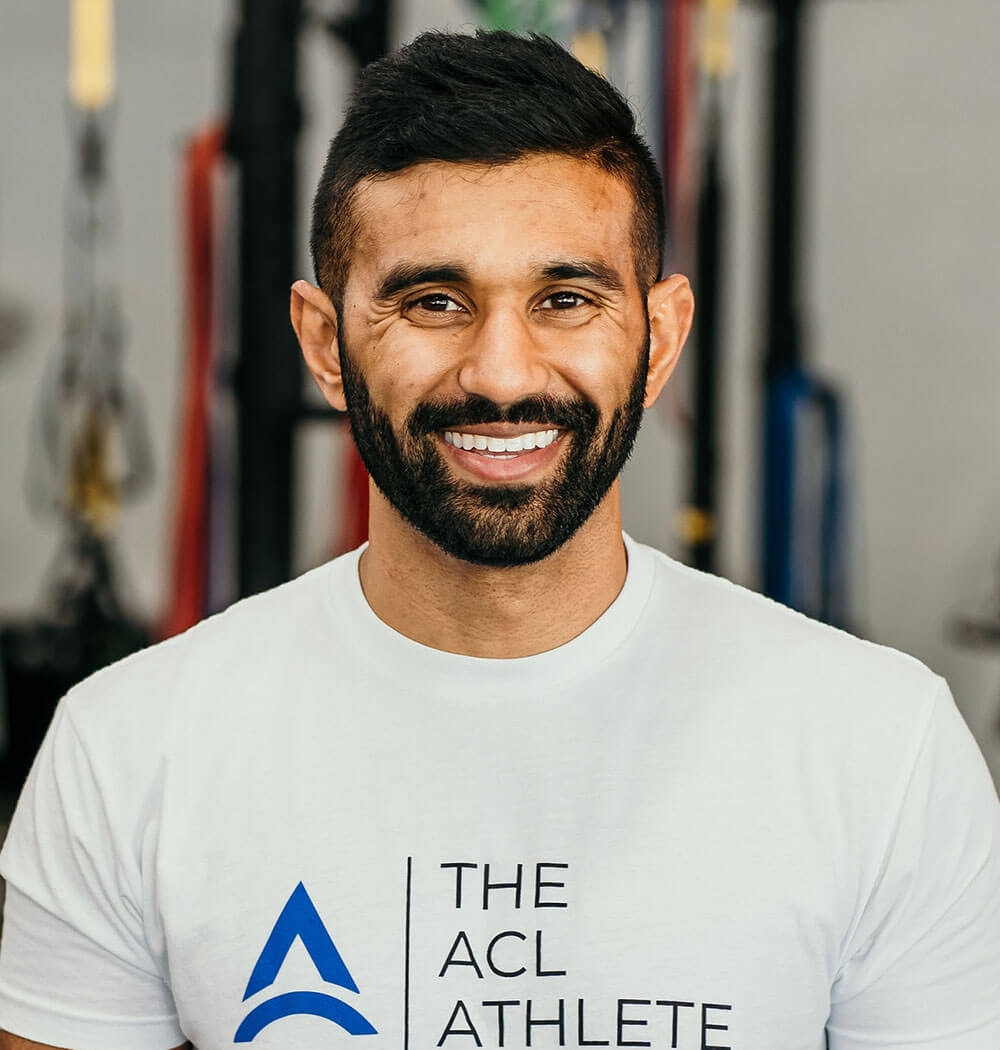
This is your host, Ravi Patel, signing off.
Subscribe and leave The ACL Podcast a review – this helps us spread the word and continue to reach more ACLers, healthcare professionals, and more. The goal is to redefine ACL rehab and elevate the standard of care.
Resources:
- Check out our free ebooks on our Resources page
- Sign up for The ACL Athlete – VALUE Newsletter – an exclusive newsletter packed with value – ACL advice, go-to exercises, ACL research reviews, athlete wins, frameworks we use, mindset coaching, blog articles, podcast episodes, and pre-launch access to some exciting projects we have lined up
- 1-on-1 Remote ACL Coaching – Objective testing. An individualized game plan. Endless support and guidance. From anywhere in the world.
- More podcasts? Check out our archives
Connect:
- Have questions or a podcast idea? Send us a message